How do animals and their microbial partners coordinate metabolism across changing environments? Many aquatic organisms depend on symbioses for nutrition, development, and ecological success, yet the underlying molecular, cellular, and physiological mechanisms remain poorly understood. These mechanisms are also likely to vary across species and environments, but this diversity has barely been explored. We take a comparative approach across independently evolved symbioses in anemones, jellyfish, corals, giant clams, and bobtail squid to identify both shared and lineage-specific strategies. This allows us to ask whether common genetic and physiological design principles underlie these associations.
We first define how host and symbiont functions are integrated at the level of cells and tissues, including nutrient exchange, intracellular organization, and signaling pathways. We then examine how these mechanisms operate under natural environmental variability. This framework distinguishes general principles from context-dependent solutions. Extending this work to ongoing ocean change provides a mechanistic basis for understanding when symbioses fail and how they might be stabilized.
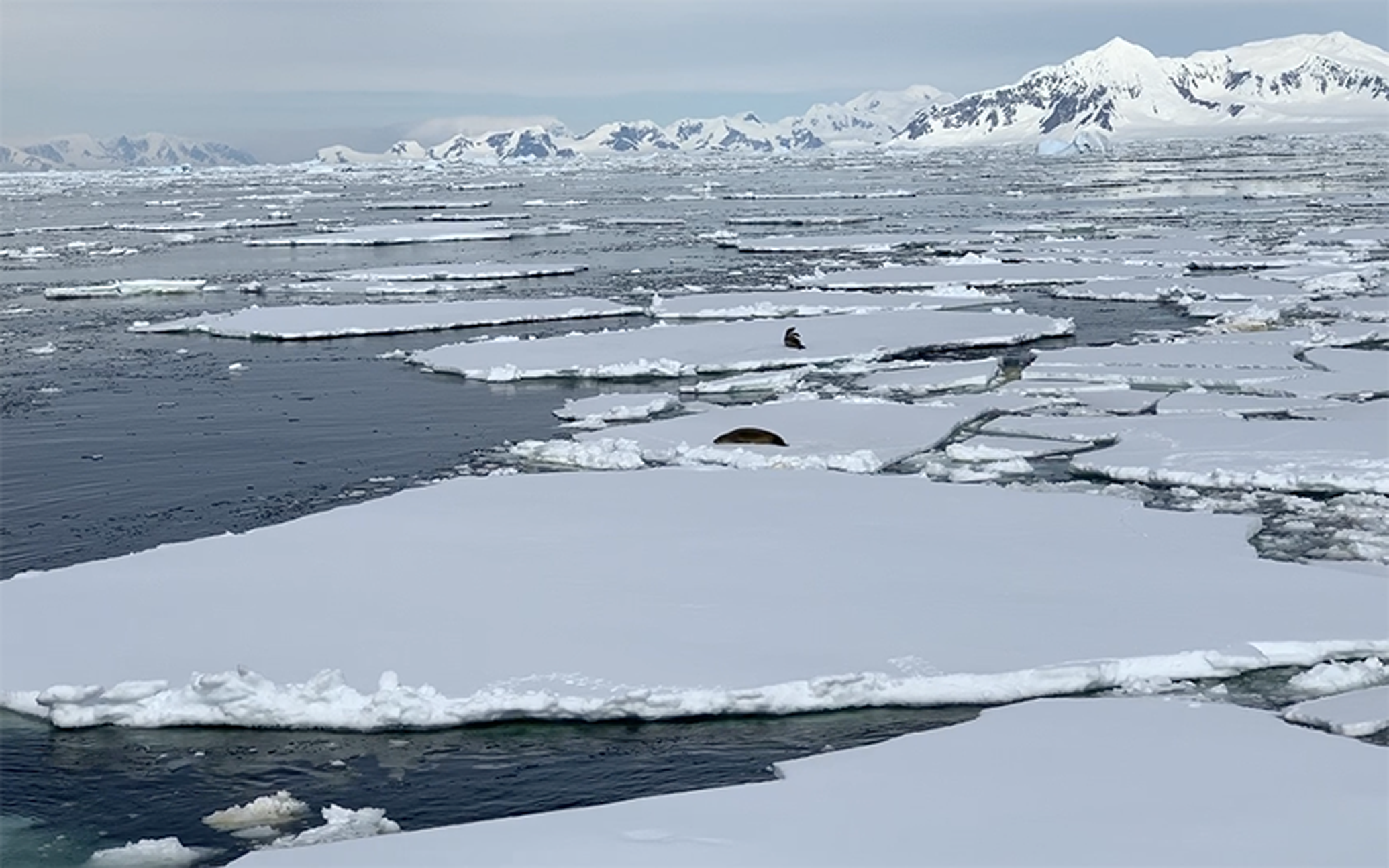
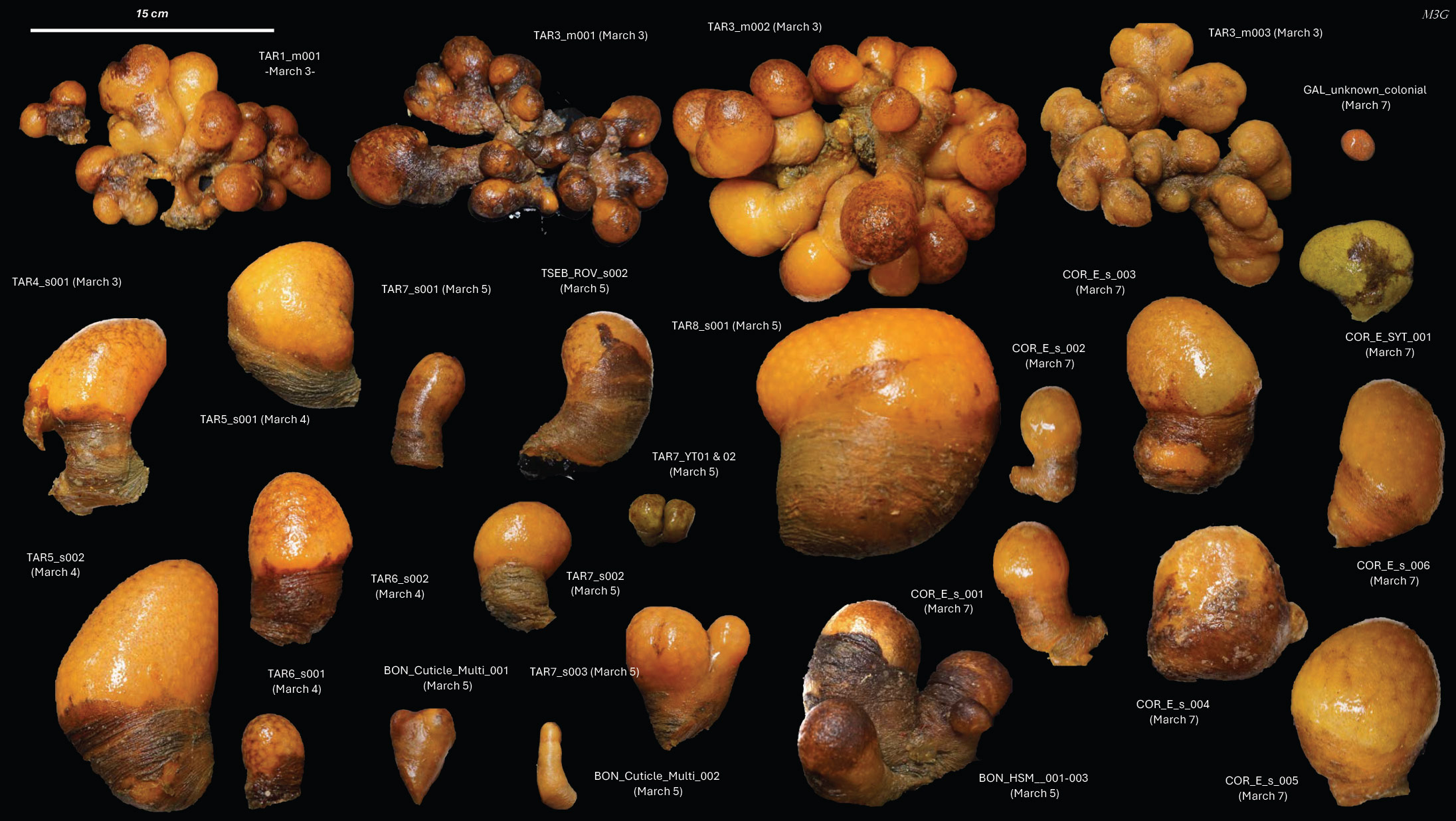
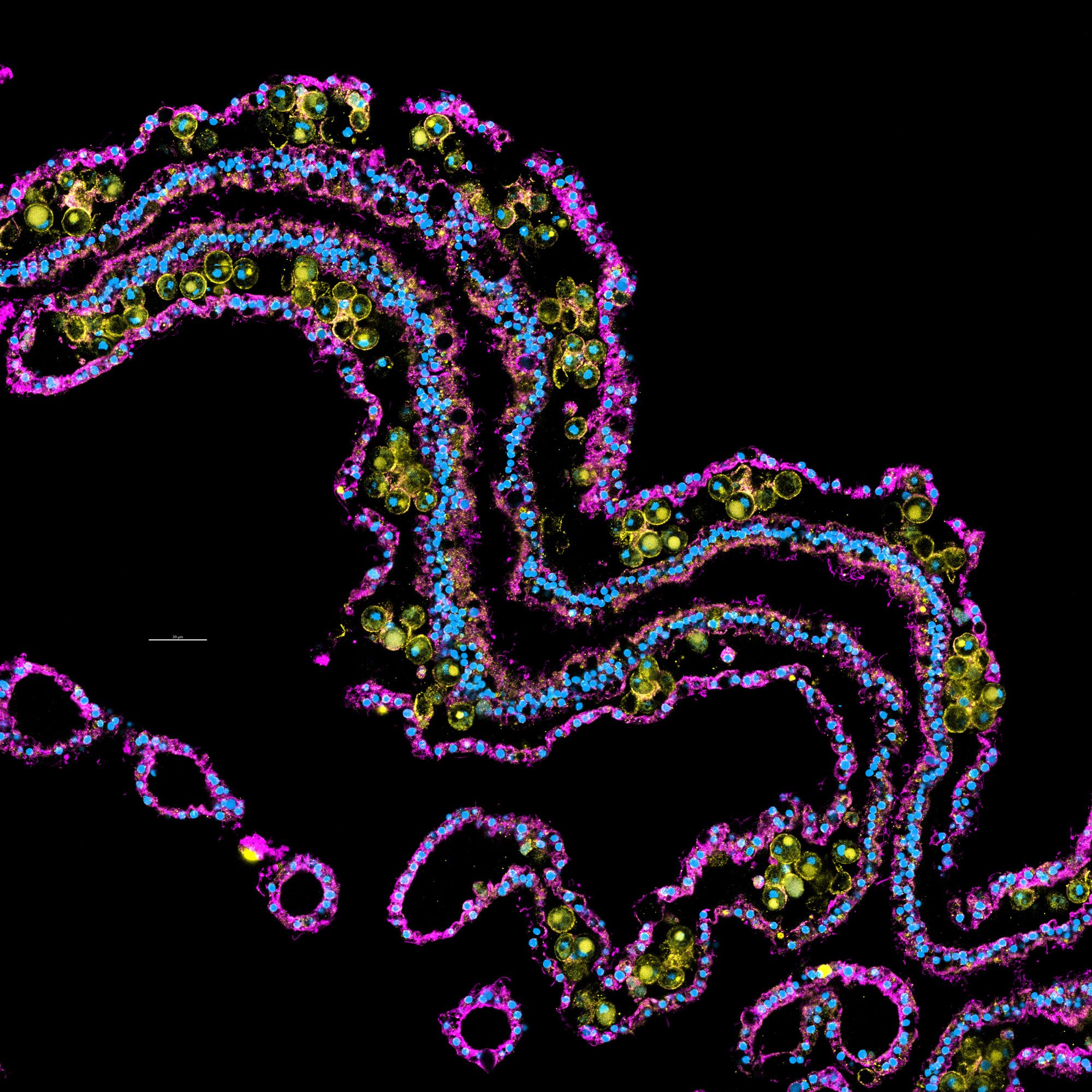
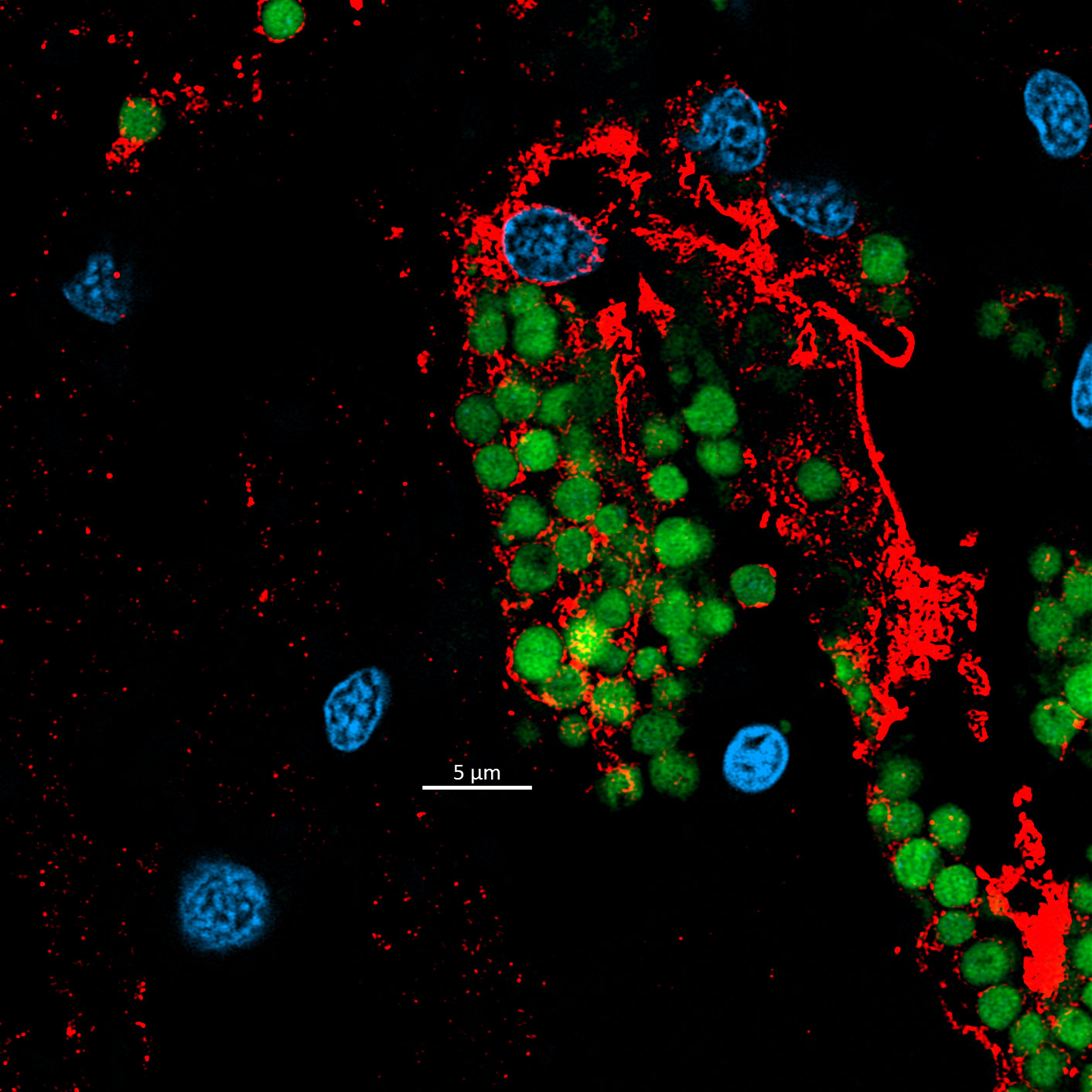
Life in Antarctica: This project together with Alison Murray (DRI) and Bill Baker (USF) studies a polar ascidian (Synoicum adareanum) and its microbiome, with specific attention paid to the microbial producer of palmerolide A (palA), Synoicihabitans palmerolidicus. PalA is a bioactive natural product with activity against the proton-pumping enzyme V-type H+-ATPase (VHA).
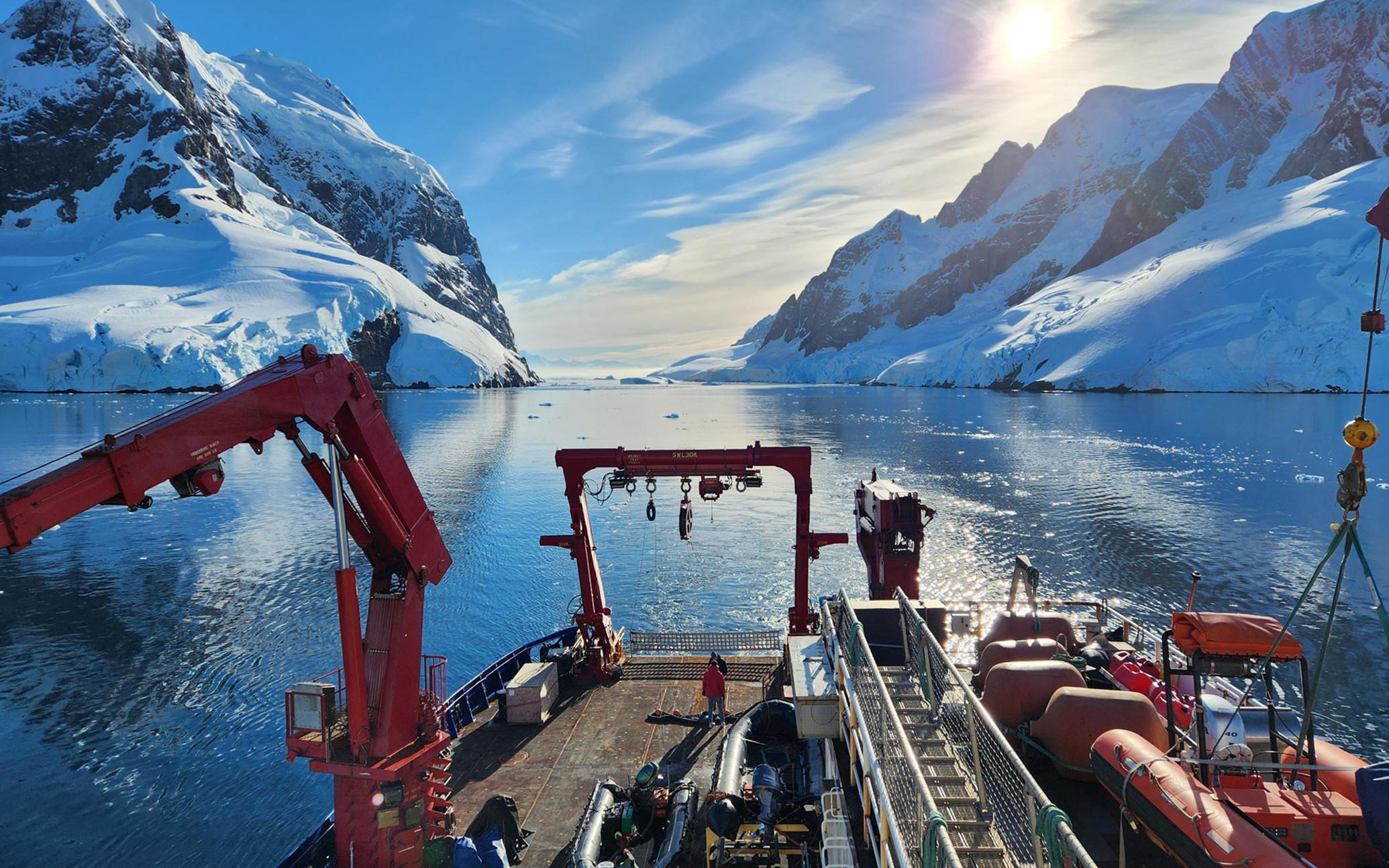
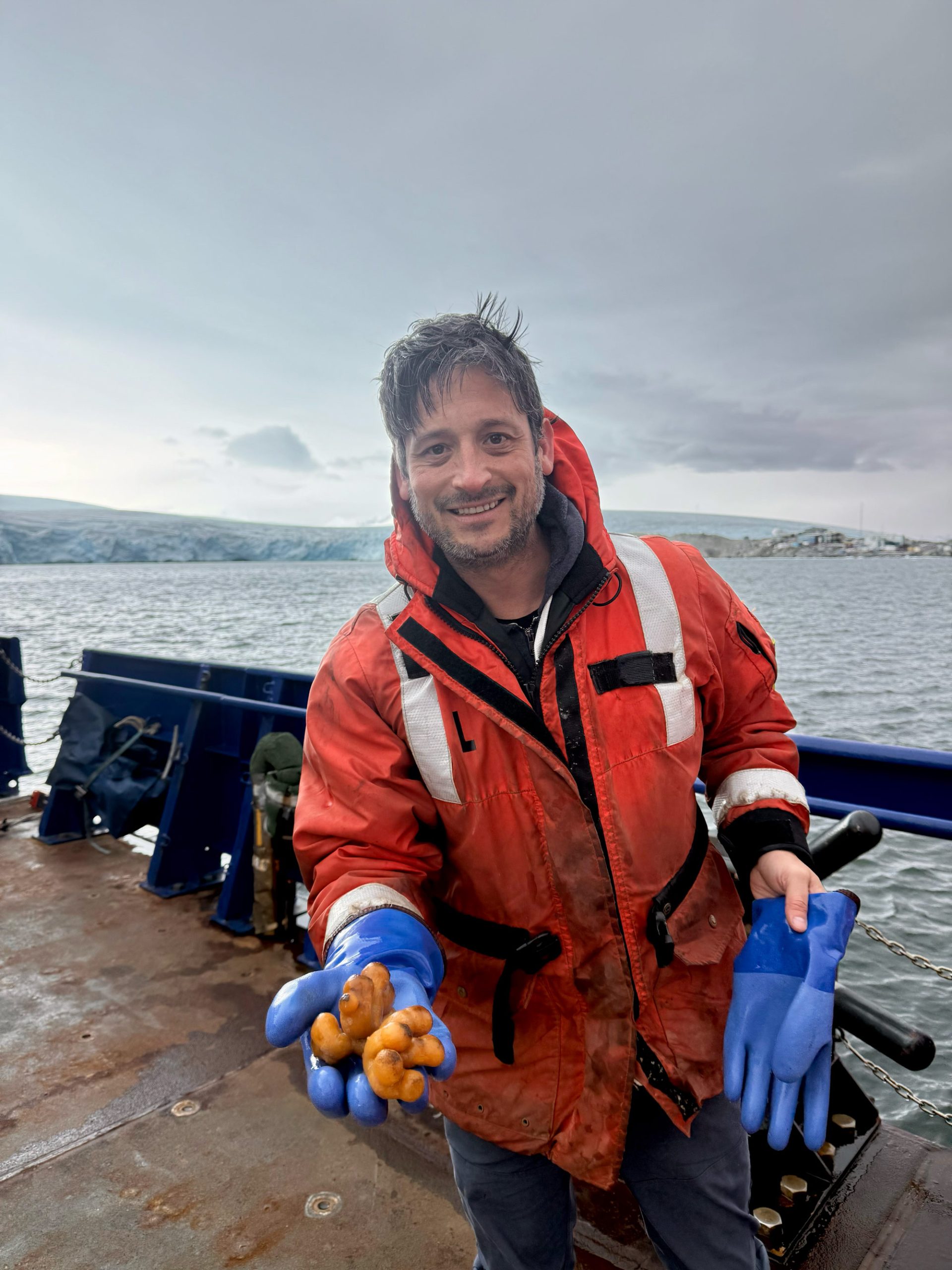
Journey Antarctica: In February and March 2026, our research team traveled throughout the Antarctic to collect seafloor-dwelling animals called sea squirts. These marine invertebrates naturally produce a cancer-fighting compound that holds promise for melanoma treatment.